
Sports, Energy Drinks & Your Teeth: How to Protect Your Smile On and Off the Field
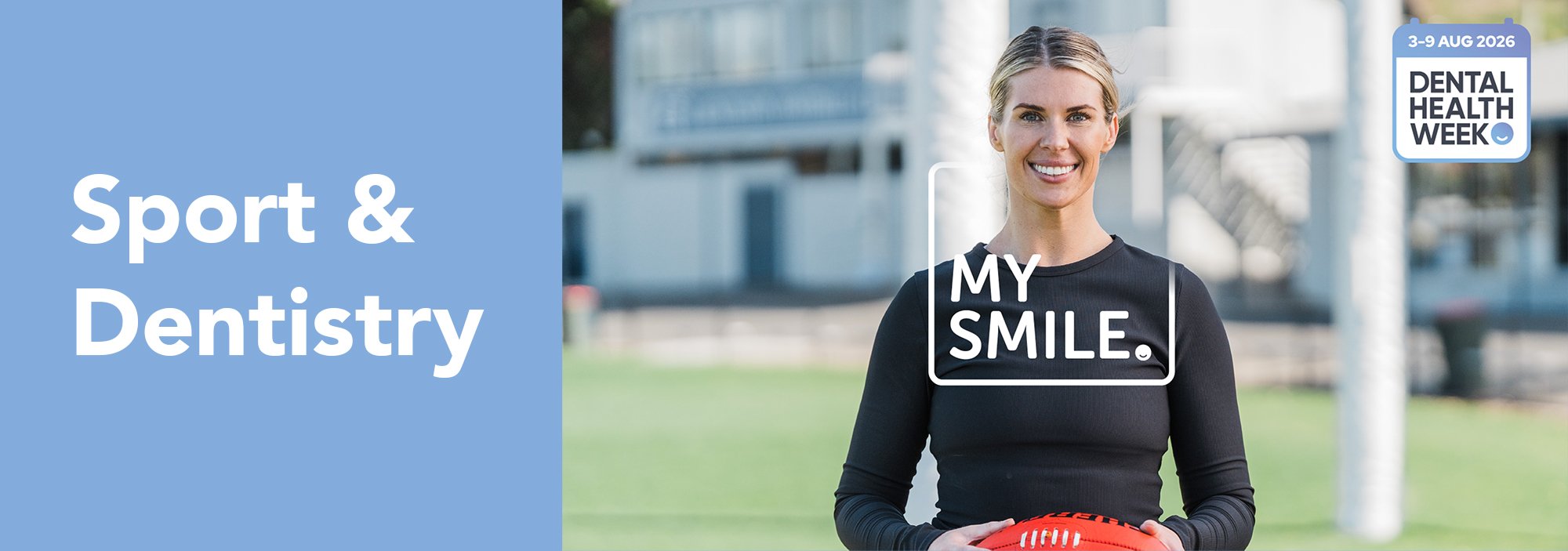
Dental Health Week 2026 | My Smile Campaign
Whether you're playing AFL, netball, soccer, basketball, hockey, rugby or simply enjoying a weekend bike ride, sport is a fantastic way to stay active and healthy.
But while you're protecting your body with helmets, shin guards and protective gear, are you protecting your teeth?
For young Australians aged 18–25, dental injuries and sports drink consumption are two often-overlooked risks to oral health. This Dental Health Week, the Australian Dental Association's My Smile campaign is encouraging young adults to think beyond fitness and consider how sport can affect their smile.
The good news? A few simple habits can dramatically reduce your risk of lifelong dental problems.
One Hit Can Change a Smile Forever
Dental injuries can happen in an instant.
A collision with another player, an accidental elbow, a fall from a bike or even an unexpected impact from sporting equipment can result in significant damage to your teeth and mouth.
Sports-related dental injuries may include:
Chipped or fractured teeth
Cracked teeth
Teeth becoming loose
Teeth being pushed out of position
Teeth being completely knocked out
Cuts to the lips, cheeks, tongue or gums
Jaw injuries
Unlike a bruised knee or a sprained ankle, damage to adult teeth is often permanent.
That's why prevention is so important.
It's Not Just Contact Sports
Many people assume only rugby or boxing players need mouthguards.
In reality, dental injuries occur in a wide variety of sports and recreational activities.
Common causes include:
AFL and football
Soccer
Basketball
Netball
Hockey
Cricket
Boxing
Cycling
Mountain biking
Skateboarding
Scooter accidents
Even activities that aren't considered "contact sports" can still result in significant dental trauma through falls or accidental collisions.
Are You More at Risk?
Some people have a higher chance of suffering dental injuries than others.
Risk factors include:
Not wearing a mouthguard
Protruding front teeth
Limited lip coverage over the front teeth
Wearing braces or orthodontic appliances
Participating in sports where collisions or falls are common
Understanding your personal risk allows you to take simple preventative steps before an injury occurs.
Why a Custom Mouthguard Is Worth It
If you only take one piece of advice from this article, make it this:
Wear a mouthguard every time you play.
That means during both training sessions and competition.
Many sporting clubs now follow a "No Mouthguard, No Play" policy—and for good reason.
A custom-made mouthguard provided by your dentist offers the highest level of protection because it's made specifically to fit your teeth.
Compared with generic "boil and bite" mouthguards, custom mouthguards:
Fit more comfortably
Stay securely in place
Make breathing and talking easier
Provide greater protection against impact
Are designed specifically for your mouth
A properly fitted mouthguard helps absorb and spread the force of an impact, reducing the risk of broken or knocked-out teeth and injuries to the lips, cheeks and jaw.
What If You Knock Out a Tooth?
Accidents happen—even when you're wearing protection.
If an adult tooth is completely knocked out:
Pick it up by the crown (the white part), not the root.
If it's dirty, gently rinse it with milk or saline if available. Avoid scrubbing it.
If possible, place the tooth back into the socket.
If that isn't possible, store it in milk or saliva.
Contact your dentist immediately.
Time is critical. The sooner you receive treatment, the better the chance of saving the tooth.
Sports Drinks: Are They Really Good for Your Teeth?
Many active young adults regularly consume sports and energy drinks.
While sports drinks are designed to replace fluids and electrolytes after prolonged exercise, they often contain:
Sugar
Food acids
Flavourings
Unfortunately, these ingredients can have a negative impact on your teeth.
Sugar feeds the bacteria naturally found in your mouth.
Those bacteria produce acids that attack tooth enamel, increasing the risk of tooth decay.
At the same time, the acids already present in many sports drinks can begin dissolving the surface of your teeth, leading to tooth erosion.
The combination of sugar and acid means sports drinks may contribute to both decay and erosion when consumed frequently.
Water Is Still the Best Choice
For most everyday activities, water remains the safest and healthiest drink for both your body and your teeth.
If you do consume sports drinks:
Drink them only when genuinely needed.
Avoid sipping them over long periods.
Don't swish them around your mouth.
Have a drink of water afterwards.
Wait at least 30 minutes before brushing your teeth.
Brushing immediately after consuming acidic drinks can damage enamel that has temporarily softened.
Giving your saliva time to neutralise the acids helps protect your teeth.
Prevention Is Easier Than Treatment
Whether you're an elite athlete or simply enjoy weekend sport, protecting your teeth should be part of your routine.
Simple habits like wearing a custom mouthguard, choosing water whenever possible and seeing your dentist regularly can help prevent injuries and reduce your risk of long-term dental problems.
Dental emergencies often happen after hours or on weekends—but the best treatment is always prevention.
Keep Your Smile in the Game
Sport is good for your health—but don't let a preventable dental injury sideline your smile.
Protect your teeth just as carefully as you protect the rest of your body.
Need a Custom Sports Mouthguard?
Whether you play AFL, soccer, basketball, hockey, netball or any other sport, our team can create a custom-fitted mouthguard designed to keep your smile protected.
Book an appointment today and give yourself the confidence to play hard while protecting your teeth for years to come.
